
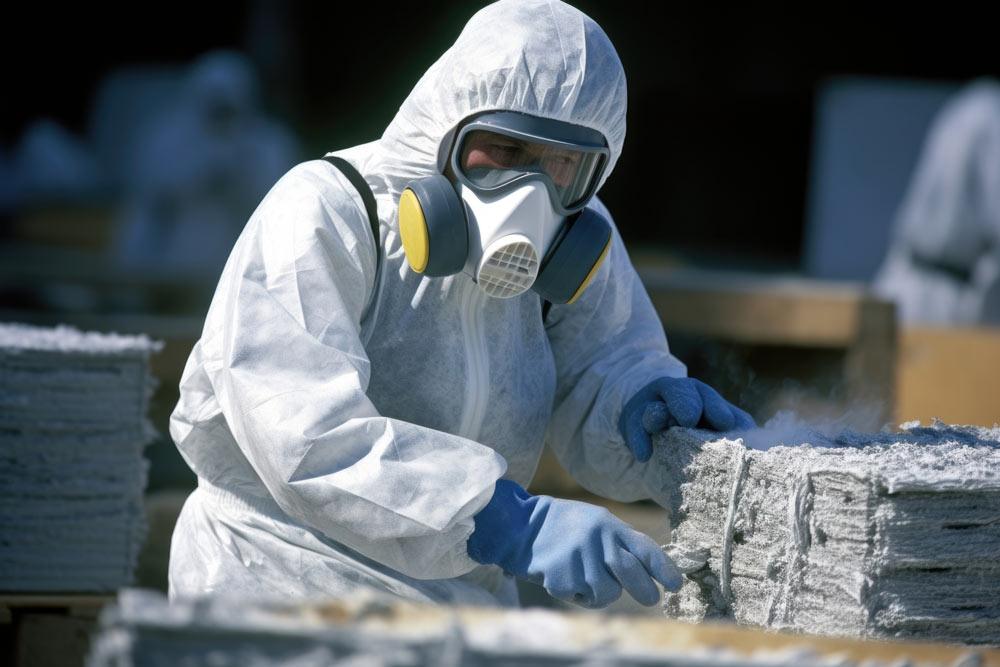
Asbestos removal is a critical aspect of maintaining health and safety in buildings, particularly older ones. While much attention is placed on the identification and removal of asbestos, an equally important aspect is the proper disposal of asbestos-containing materials (ACMs). Incorrect disposal of asbestos waste can lead to severe environmental contamination and health risks, both to the workers involved and the general public. This blog will explore why waste disposal is a crucial step in asbestos removal and outline best practices for handling asbestos waste.
Understanding Asbestos: Why It’s a Health Hazard
Asbestos is a naturally occurring mineral that was once widely used in construction for its heat resistance and durability. However, it became evident in the late 20th century that prolonged exposure to asbestos fibers can cause serious health issues, including lung cancer, asbestosis, and mesothelioma. The tiny asbestos fibres, when disturbed, become airborne and are easily inhaled, embedding themselves in the lungs.
While removing asbestos from a building eliminates the immediate threat to occupants, it’s crucial to understand that the asbestos itself remains hazardous after removal. How the waste is managed and disposed of becomes a matter of public safety, environmental protection, and regulatory compliance.
Why Asbestos Waste Disposal is Critical
1. Preventing Environmental Contamination
Asbestos fibres are microscopic, making them easily transferable through air, water, or soil. If asbestos waste is not properly contained and disposed of, fibres can be released into the environment, where they may contaminate air and water sources.
For example:
- Airborne Contamination: If asbestos waste is improperly handled or stored, fibers can become airborne. This poses a threat not only to workers but to the general public, as asbestos fibres can travel significant distances through the air.
- Water and Soil Contamination: Improperly disposed of asbestos waste can also make its way into water systems or soil, contaminating drinking water or damaging ecosystems. Asbestos fibres do not break down naturally, so any environmental contamination is long-lasting.
The importance of proper disposal, therefore, cannot be overstated. Preventing contamination requires adhering to strict guidelines for waste packaging, transportation, and disposal.
2. Reducing Health Risks
Improper asbestos waste management exposes workers, waste handlers, and the public to significant health risks. Even after asbestos-containing materials (ACMs) are removed from a building, they continue to pose a danger if not managed correctly. Workers who handle asbestos waste without proper protective measures can inhale fibres, leading to long-term health consequences.
Moreover, improper disposal methods, such as dumping asbestos waste in unauthorized locations, put the wider community at risk. If the public unknowingly comes into contact with discarded asbestos, they may be exposed to harmful fibres. This makes regulated disposal methods critical to ensuring public health and safety.
3. Legal and Regulatory Compliance
In most countries, including the UK, asbestos waste disposal is highly regulated. In the UK, asbestos is classified as hazardous waste under the Hazardous Waste Regulations 2005. The improper handling and disposal of asbestos waste can result in legal consequences, including hefty fines and potential criminal charges for both individuals and businesses.
Key regulations to be aware of include:
- Waste Classification: Asbestos waste is classified as hazardous, and as such, must be treated with specialized disposal methods.
- Authorized Disposal Sites: Asbestos waste can only be disposed of at licensed waste disposal facilities. Unauthorized disposal, such as fly-tipping, is illegal and can lead to serious environmental and legal consequences.
- Waste Carrier Licenses: Any business or individual responsible for transporting asbestos waste must hold a valid Waste Carrier License. This ensures that asbestos waste is transported safely and responsibly.
Failing to comply with asbestos disposal regulations can lead to legal disputes, project delays, and reputational damage for companies involved in construction and demolition projects.
Best Practices for Asbestos Waste Disposal
Proper disposal of asbestos waste is a step-by-step process that begins at the removal stage and continues until the waste reaches an authorized disposal facility. Below are the best practices for ensuring safe and legal disposal:
1. Proper Containment and Packaging
Once asbestos-containing materials have been removed, they must be sealed in approved, airtight containers or bags. Asbestos waste bags should be:
- Clearly labelled as hazardous waste, including warnings that the materials contain asbestos.
- Double-bagged in durable, tear-resistant plastic bags or sheeting. This prevents fibres from escaping if the outer bag is damaged during transport.
- Stored properly until they can be transported to a disposal site. Asbestos waste should never be left unsecured on a worksite.
2. Safe Transportation
Asbestos waste must be transported carefully to prevent contamination during transit. Some key points to consider include:
- Licensed Waste Carriers: Only licensed waste carriers should transport asbestos waste. These professionals are trained to follow strict guidelines for the safe handling and transportation of hazardous materials.
- Secure Transport: Vehicles used to transport asbestos waste should be sealed to prevent asbestos fibres from escaping into the air. Additionally, they should be decontaminated after transporting asbestos to prevent cross-contamination with other loads.
3. Disposal at Licensed Facilities
Asbestos waste can only be disposed of at facilities that are licensed to handle hazardous materials. These facilities are equipped with the necessary infrastructure to safely manage and contain asbestos waste, ensuring it is stored in a way that prevents it from contaminating the environment. Dumping asbestos waste at unauthorized sites or in general landfills is not only illegal but also extremely dangerous.
Challenges in Asbestos Waste Disposal
While the process for asbestos waste disposal is well-regulated, there are still challenges that need to be addressed to ensure public safety and environmental protection:
1. Illegal Dumping
Despite strict regulations, illegal dumping of asbestos waste is a serious problem in many countries. Some unscrupulous contractors or individuals may choose to dump asbestos waste illegally to avoid disposal costs. This practice poses significant environmental and health risks and often requires costly cleanup efforts by local authorities.
2. High Costs of Disposal
The safe removal and disposal of asbestos come with significant costs. Licensed contractors, specialized disposal bags, transportation, and disposal at authorized sites all contribute to the expense. These costs can sometimes discourage property owners from properly managing asbestos, increasing the likelihood of improper disposal methods.
3. Public Awareness
Despite the health risks, public awareness of asbestos disposal regulations and best practices remains low in some areas. Educating the public about the dangers of asbestos and the importance of proper disposal is crucial to prevent accidental exposure and contamination.
Conclusion
The importance of waste disposal in asbestos removal cannot be overstated. While removing asbestos from buildings is a vital first step in eliminating health risks, ensuring that asbestos-containing materials are properly disposed of is equally important. By preventing environmental contamination, reducing health risks, and adhering to legal regulations, proper asbestos waste disposal protects both the environment and public health.
To achieve this, it is essential to follow best practices such as using proper containment, working with licensed waste carriers, and disposing of asbestos at authorized facilities. Moreover, addressing challenges like illegal dumping and the high cost of disposal requires ongoing efforts from regulators, contractors, and property owners alike. Ultimately, ensuring the safe disposal of asbestos waste is a shared responsibility that demands careful attention at every stage of the process.